A treat for enthusiasts – Upper Silesia on stamps from the “Beauty of Poland” series
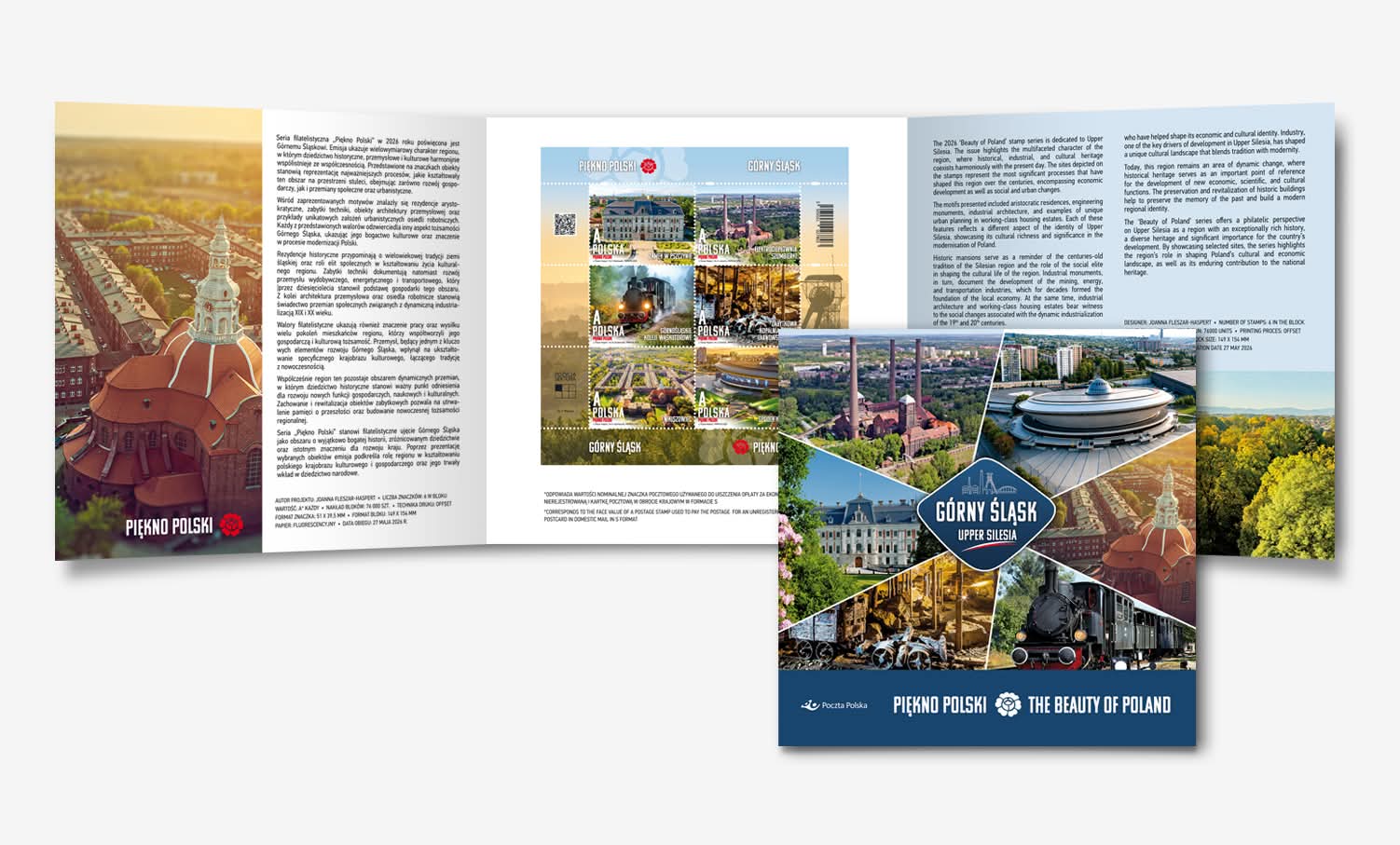
Pszczyna Castle, the Tarnowskie Góry Silver Mine, the Nikiszowiec and Spodek estates in Katowice, as well as the Upper Silesian Narrow Gauge Railways and the Szombierki CHP plant – all these unique places and sites can be seen on stamps issued by Poczta Polska as part of the latest installment of the "Beauty of Poland" series. This year's issue showcases the Upper Silesia region.
Stamps from the "Beauty of Poland" issue can be purchased at selected post offices, and all elements of the collection can be purchased at the Poczta Polska e-shop.
This is another installment in a series designed to highlight unique corners of our country, encourage visitors to visit them, and deepen their knowledge of local nature, history, and culture. In previous years, Poczta Polska has published series promoting areas such as the Pieniny Mountains, Świętokrzyska Land, the Lublin region, and Podlasie.
Upper Silesia is a unique region, encompassing Katowice, Gliwice, Zabrze, and Bytom. For centuries, it has been influenced by various countries, shaping its complex history, multiculturalism, and identity. The development of heavy industry—coal mining, steelmaking, and energy—played a particularly important role. Today, Upper Silesia is undergoing an intensive transformation—modern technologies, culture, and services are developing alongside its industrial heritage, and historic mines and steelworks are often revitalized as tourist and cultural centers.
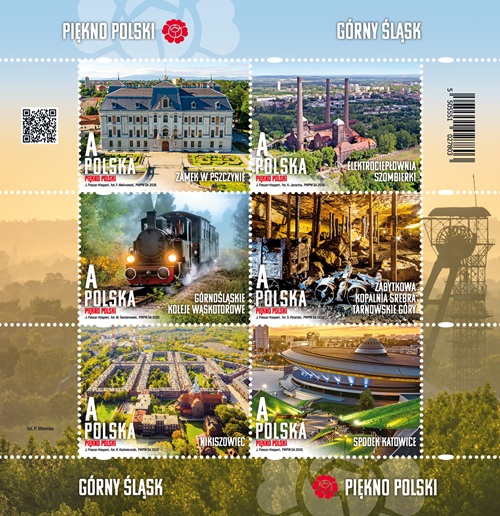
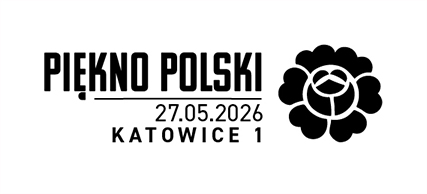
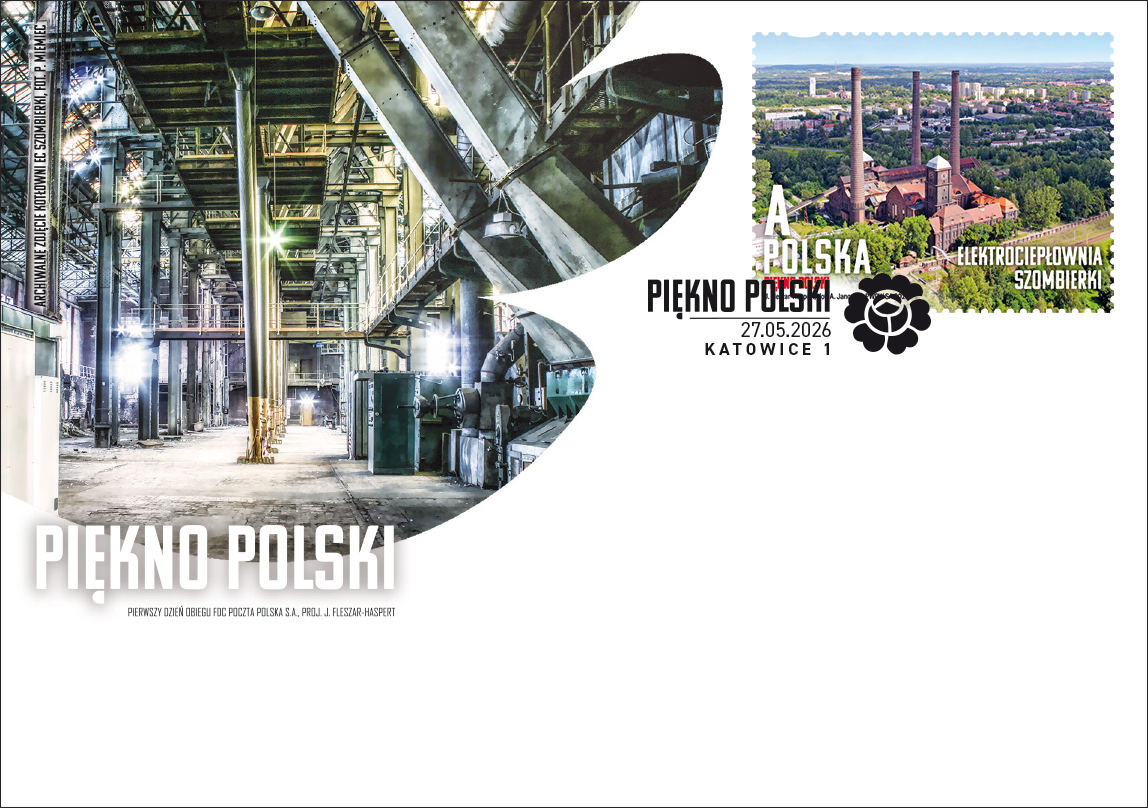
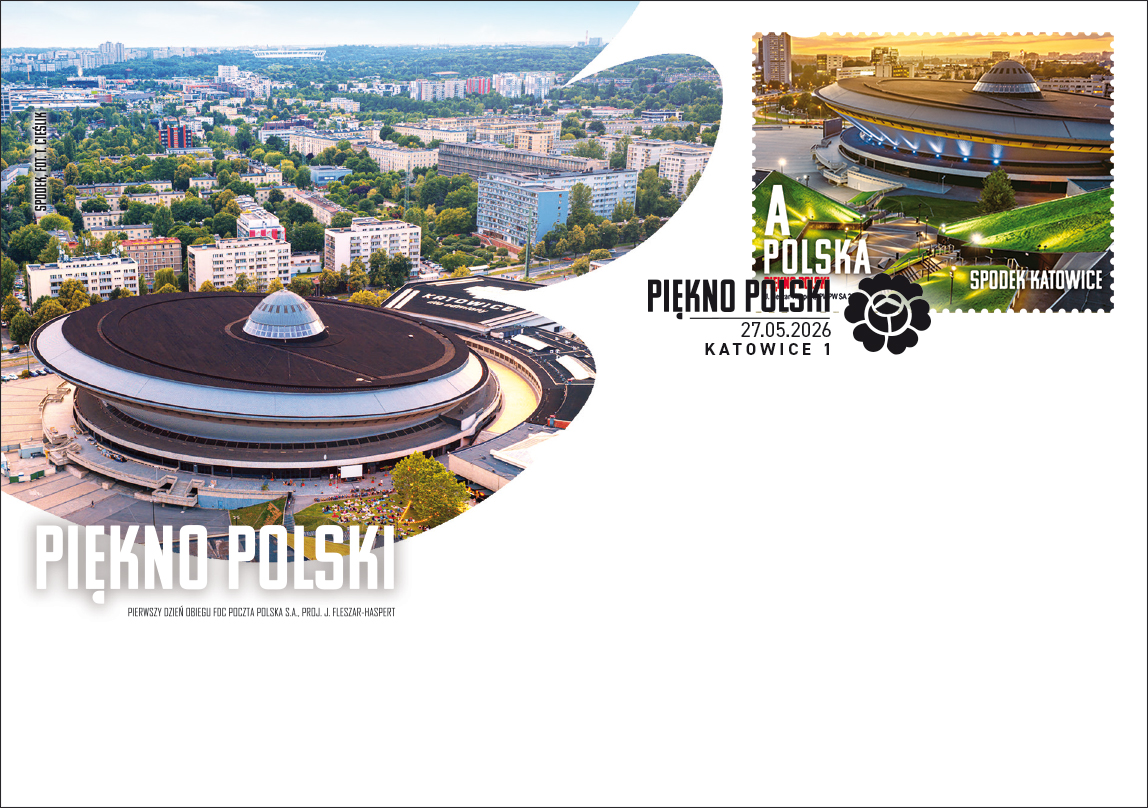
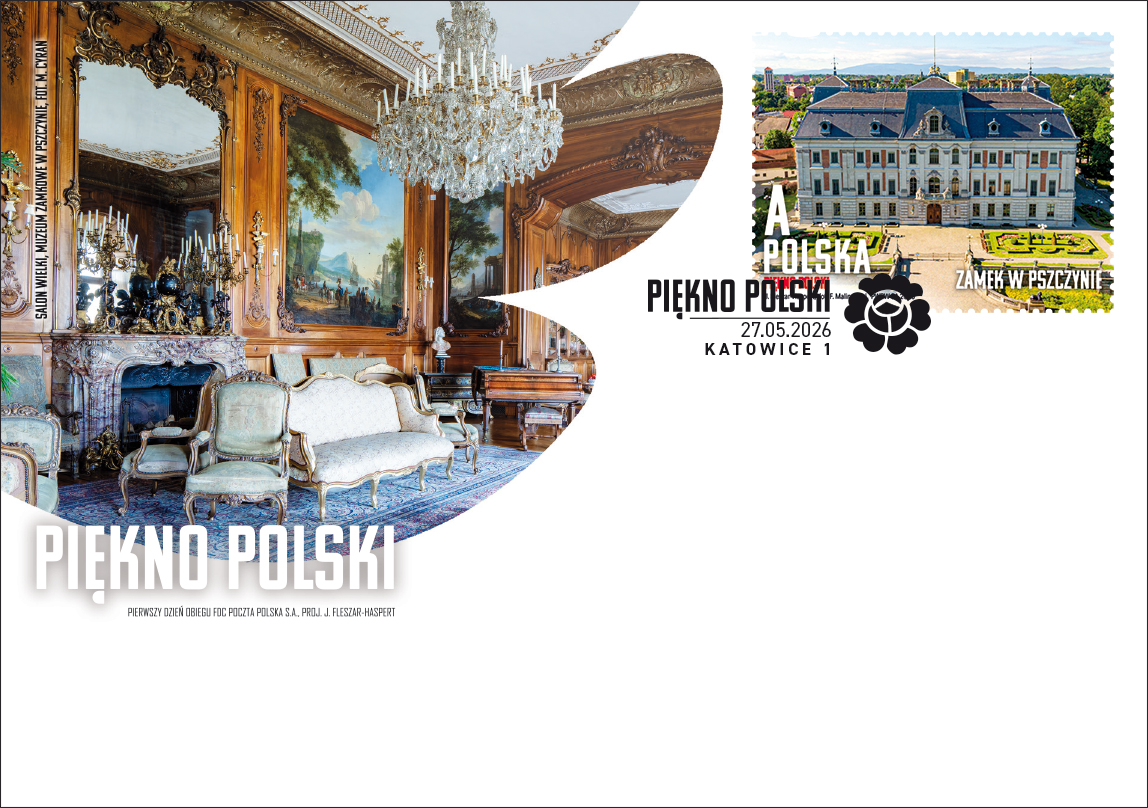
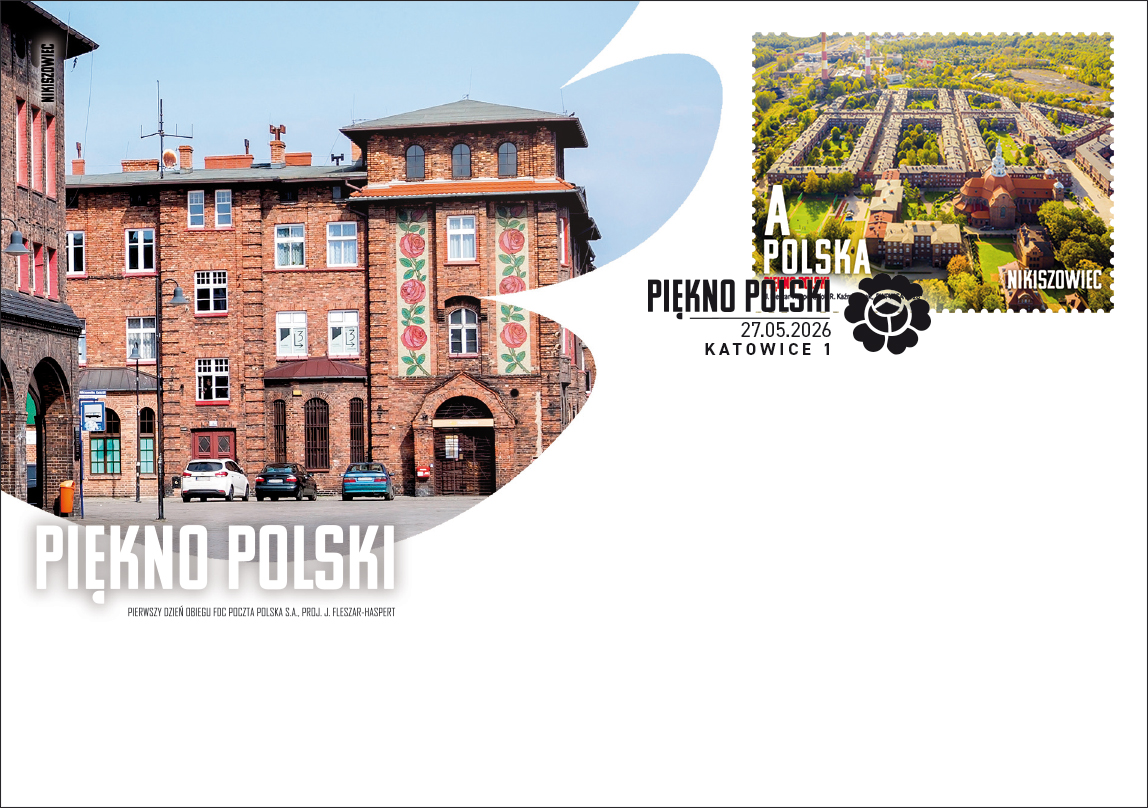
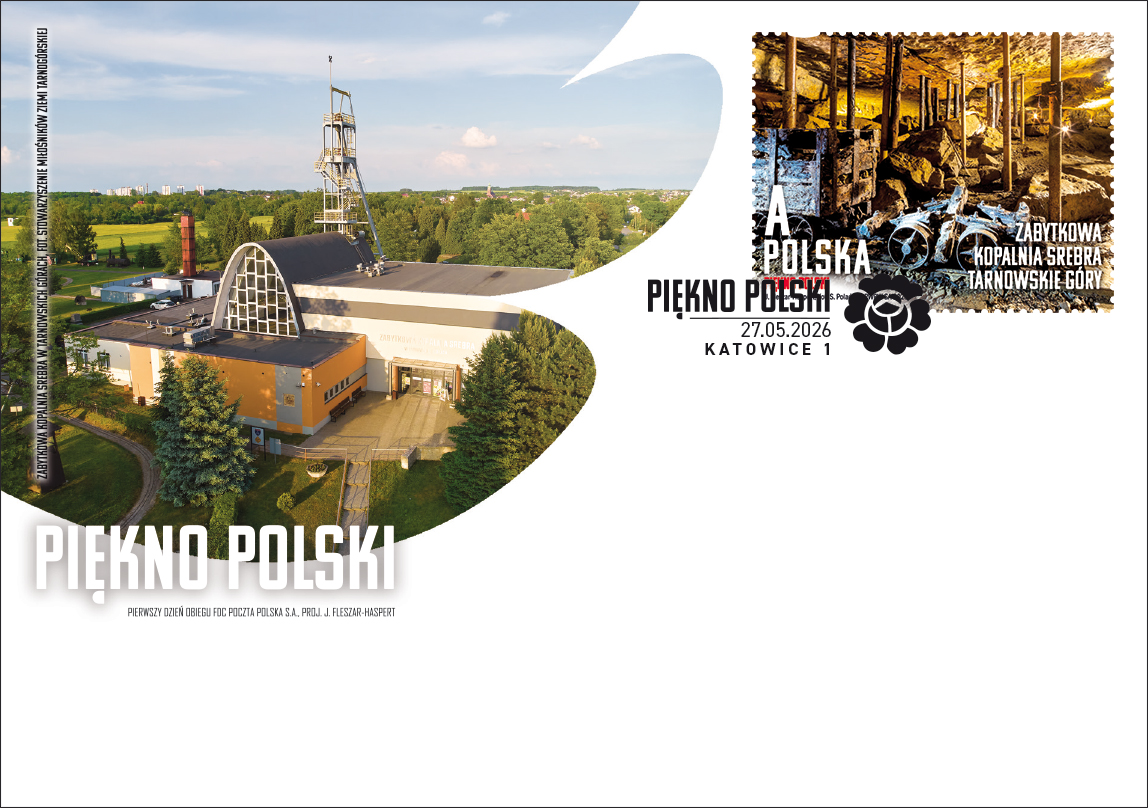
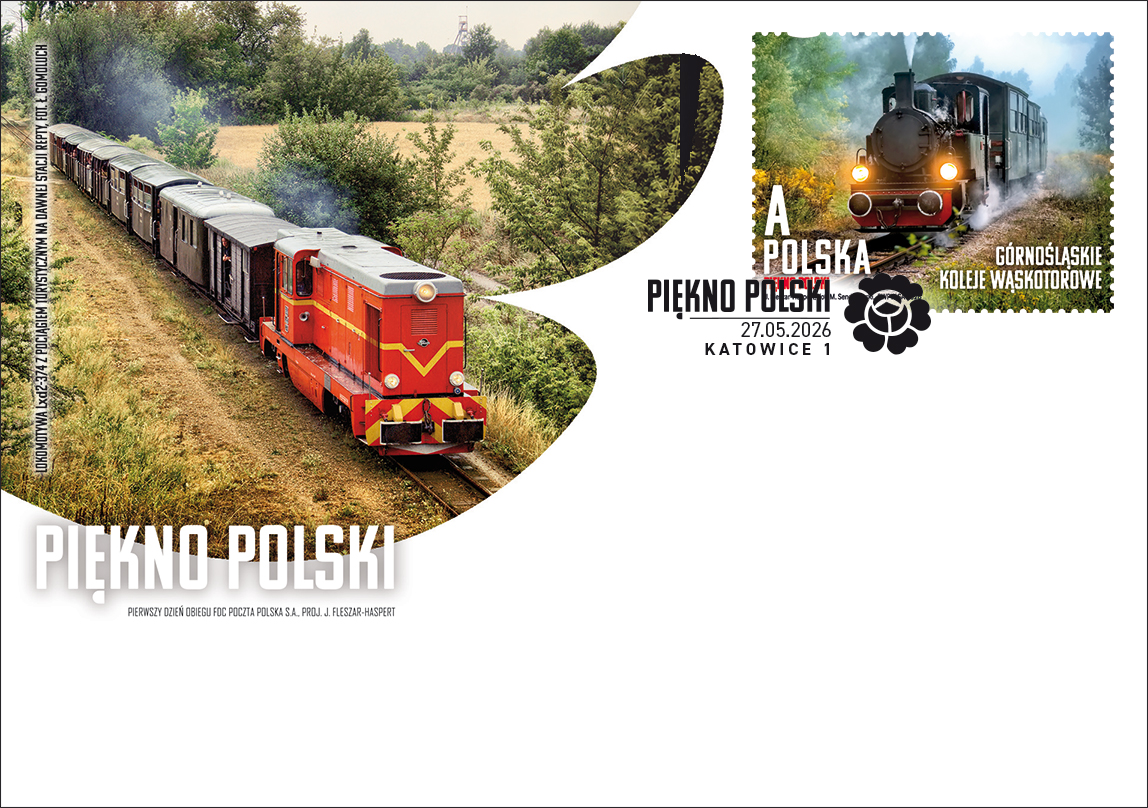
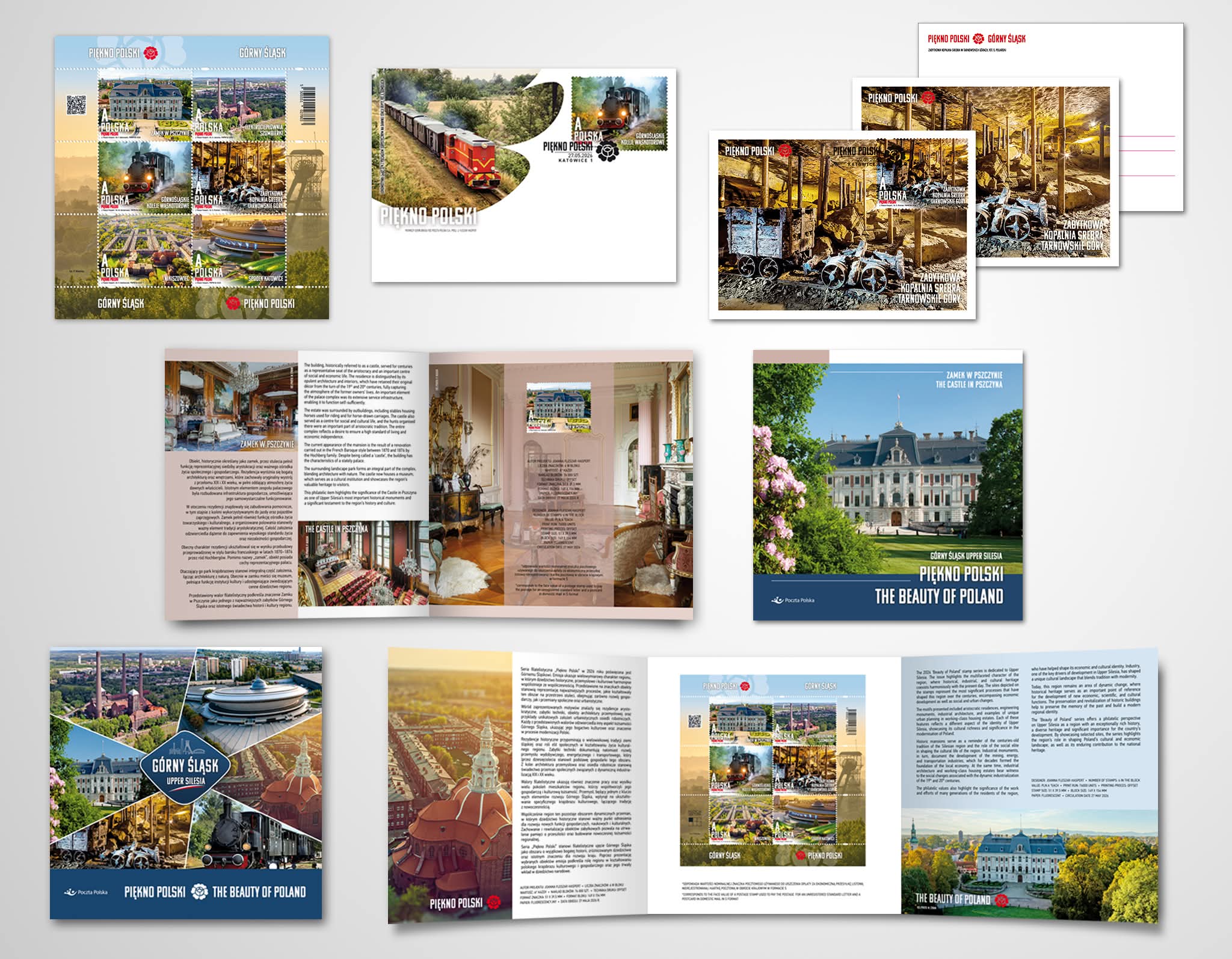
The issue consists of a six-stamp block, first-day-of-circulation envelopes, and a date stamp. The stamps feature:
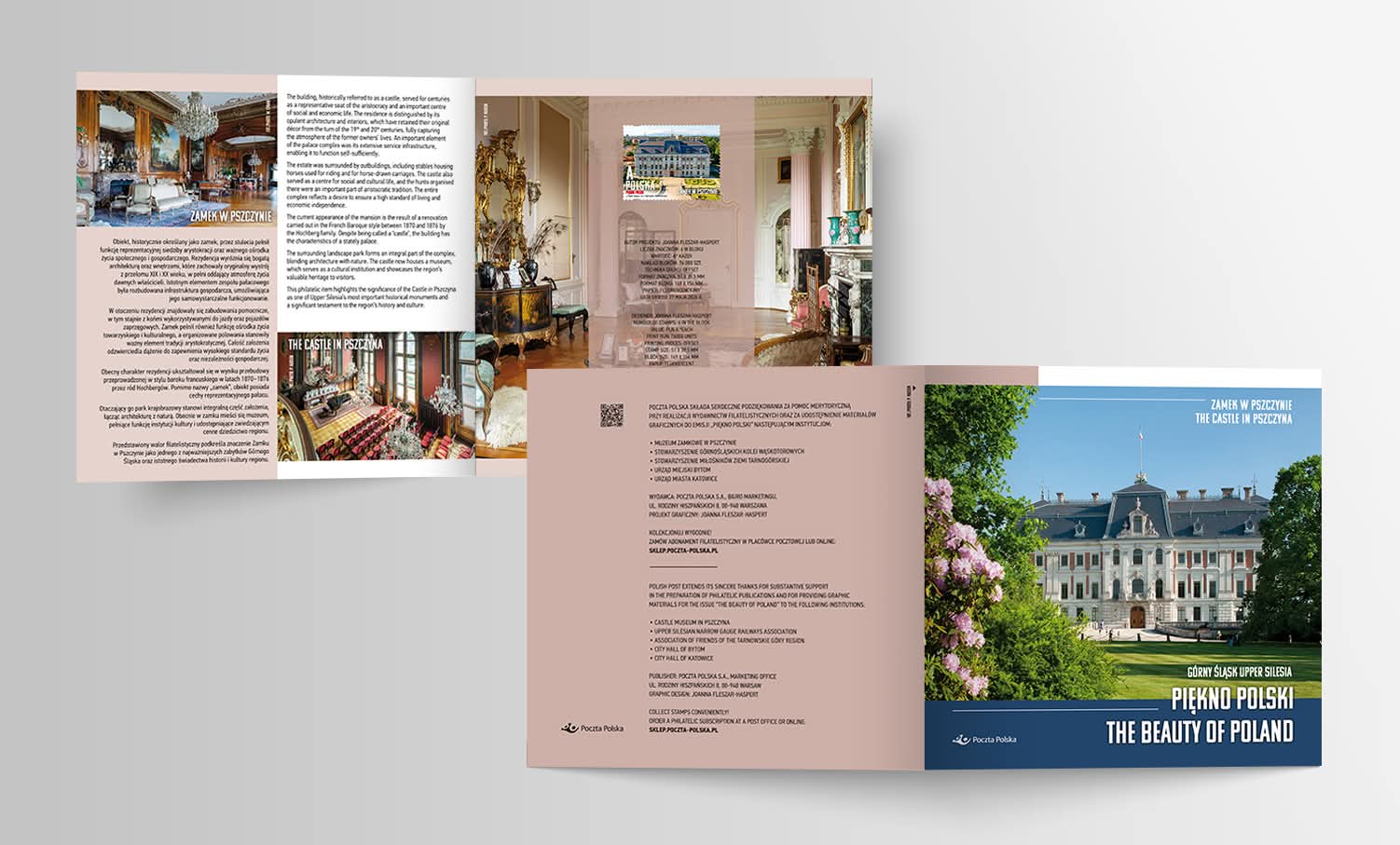
Pszczyna Castle – one of the most valuable and best-preserved aristocratic residences in Poland, located in Upper Silesia. Its origins date back to the 11th and 12th centuries, and its current appearance is the result of a 19th-century neo-Baroque reconstruction. For centuries, the castle belonged to important aristocratic families, including the Promnitz, Anhalt-Köthen-Pless, and Hochberg von Pless families, to whom the famous Princess Daisy was associated. Today, it operates as the Pszczyna Castle Museum. The castle's exceptional value lies in the preserved original interior furnishings from the turn of the 19th and 20th centuries. The castle is surrounded by a vast English-style landscape park.
The Szombierki CHP Plant is a distinctive and monumental structure. Located in Bytom, it was commissioned in 1920 as a coal-fired power plant. It was designed by architects Emil and Georg Zillmann, who also designed Nikiszowiec and Giszowiec. The building is distinguished by its impressive brick architecture, three tall chimneys, and a clock tower. For this reason, it is sometimes called Bytom's "industrial cathedral." After its completion in 2011, the CHP plant was entered into the register of historical monuments.
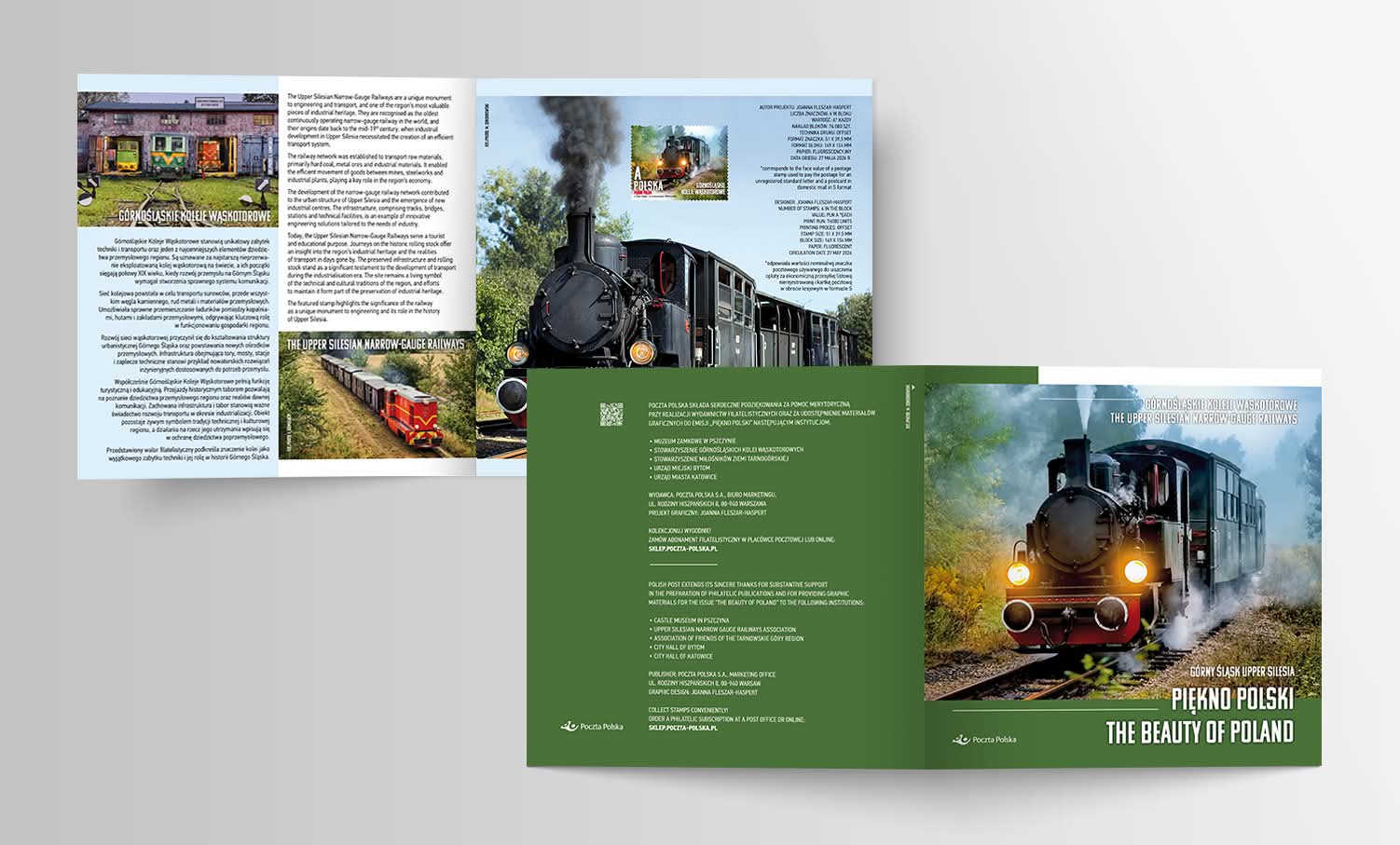
The Upper Silesian Narrow Gauge Railways (GKW ) are the oldest continuously operating narrow-gauge railway in the world, dating back to the mid-19th century. The 785 mm gauge network was built primarily to meet the needs of the rapidly developing Upper Silesian industry, transporting coal, ores, and semi-finished products between the region's mines, steelworks, and factories. Currently, the GKW operates as a tourist railway, with regular services operating on the historic Bytom Wąskotorowy – Tarnowskie Góry Wąskotorowe – Miasteczko Śląskie Wąskotorowe route, approximately 21 km in length.
The Historic Silver Mine in Tarnowskie Góry is a unique post-industrial site offering visitors the opportunity to explore the authentic underground workings of a former silver, lead, and zinc ore mine. It is part of the extensive workings of the Royal Fryderyk Mine, which operated from the late 18th to the early 20th century. A complex system of galleries, shafts, and drainage tunnels has been preserved underground, testifying to the high level of ancient mining technology and water engineering. A particular highlight of the tourist route is a boat ride along a flooded section of the galleries. In 2017, the Historic Silver Mine, along with its unique underground water management system, was added to the UNESCO World Heritage List.
Nikiszowiec – a mining settlement located in the southern part of Katowice and one of the most important points on the Industrial Monuments Trail – an industrial tourist route in the Silesian Voivodeship. On January 14, 2011, by decision of the President of the Republic of Poland, it was designated a Historic Monument. That same year, Nikiszowiec won fourth place in the "7 New Wonders of Poland" poll organized by National Geographic Traveler magazine. The settlement was designed by brothers Georg and Emil Zillmann. Its construction took place in stages between 1908 and 1919, and between 1920 and 1924. Nikiszowiec is also home to the Wilson Shaft Gallery, which dates back to 1826. In the past, the site housed a mining enterprise comprising two shafts (named Wilson and Wilson II since 1935), as well as a bathhouse, a pithead, a processing plant, a shaft top, and a sorting plant.
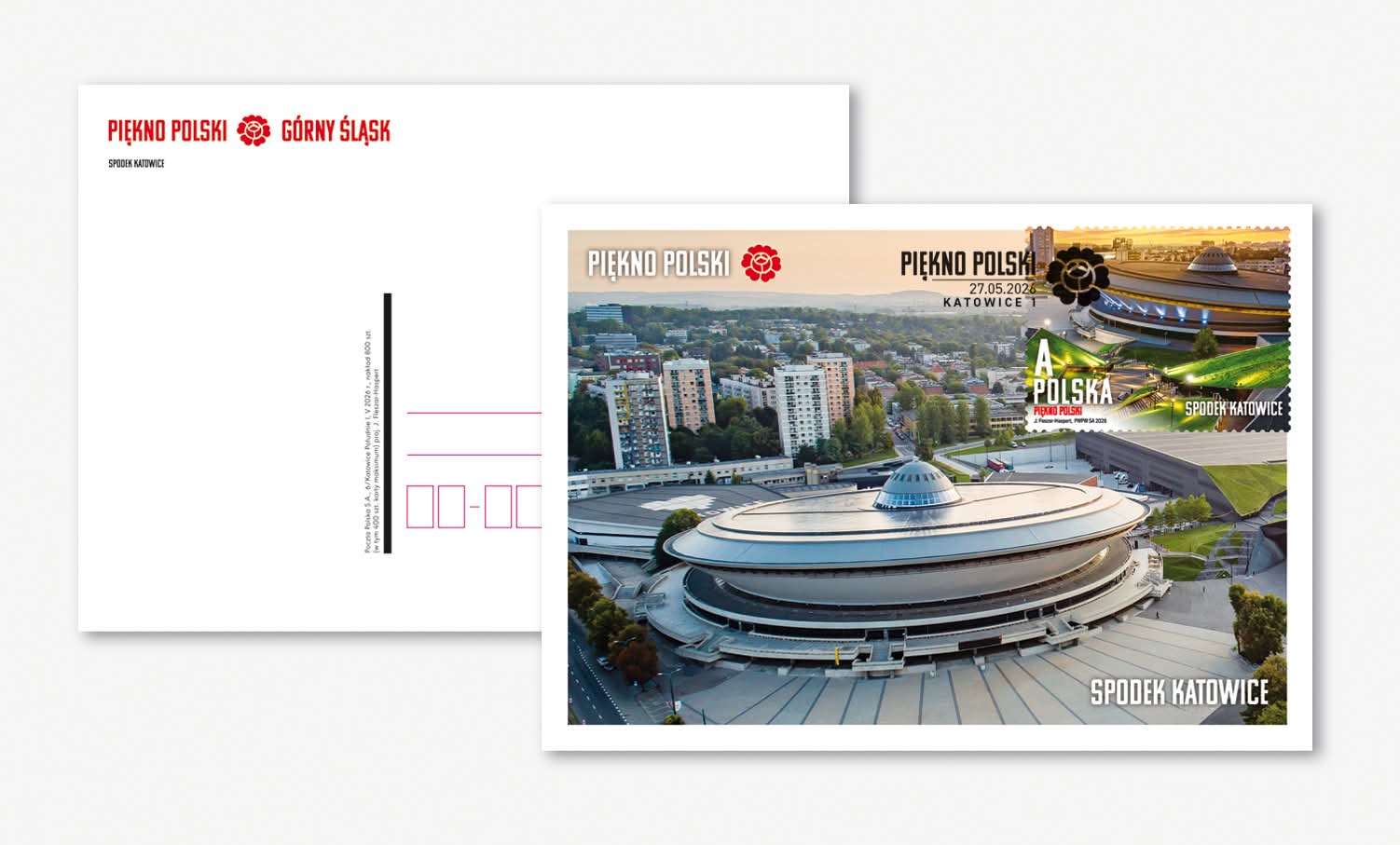
The Spodek Arena in Katowice is a sports and entertainment arena in Katowice, built between 1964 and 1971, designed by architects Maciej Gintowt and Maciej Krasiński, and opened on May 8, 1971. Its most distinctive feature is the main hall's shape, a truncated inverted cone clad in aluminum scales. It is a multi-purpose facility that hosts concerts, international sporting events, trade fairs, and conferences. It is one of the most recognizable symbols of Katowice.
Issue from the series "The Beauty of Poland" - Upper Silesia
Designer: Joanna Fleszar – Haspert
Number of stamps: 6
Value: letter designation A
Block circulation: 70,000 pcs.
Printing technique: offset
Stamp format: 51 x 39.5 mm
Block format: 149 x 154 mm
Paper: fluorescent
Publishing form: block
Date of introduction into circulation: May 27, 2026
The envelopes feature: a photo of the Lxd2-374 locomotive with a tourist train at the former Repty station, an archival photo of the Szombierki CHP boiler room, a photo of the Historic Silver Mine building in Tarnowskie Góry, a photo of the Grand Salon in the Pszczyna Castle, a photo of the Spodek Arena in Katowice against the backdrop of the city panorama, and a photo of the Nikiszowiec housing estate in Katowice.
The design of the "Beauty of Poland" issue depicts a rose, which, especially in red, is a significant cultural symbol of Upper Silesia, deeply rooted in Silesian folk traditions and costumes. This motif is associated with regional identity, beauty, and local crafts.
The issue was created in cooperation and substantive consultations with: the Castle Museum in Pszczyna, the Bytom City Hall, the Association of Upper Silesian Narrow Gauge Railways, the Association of Tarnowskie Góry Land Lovers and the Katowice City Hall.
The issue is accompanied by collector's editions:
- folder with 1 stamp (6 designs) – edition: 600 pcs. | PLN 40
- folder with perforated block – edition: 600 pcs. | PLN 67
- greeting cards (6 designs) – edition: 400 pieces each | PLN 5.20
- maximum cards (6 designs) – mintage: 400 pcs. | PLN 20.