
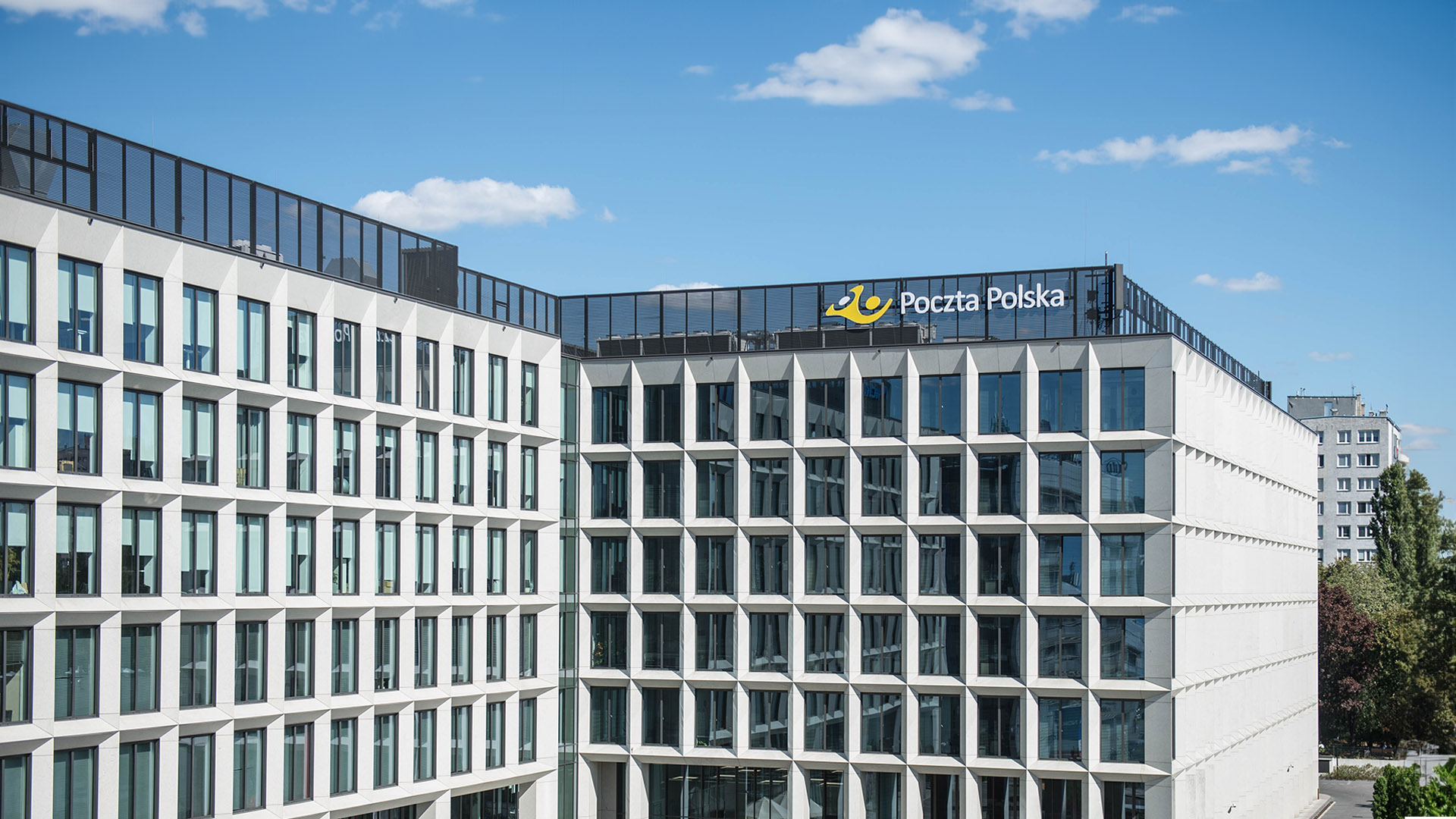
The postal apiary is now operational. Bees have taken up residence in the hives at the Poczta Polska sorting office.
In April of this year, Poczta Polska launched a safe bee transport service. A unique apiary was also opened, with hives made from recycled materials, located at the parcel sorting facility in Lublin. Poczta Polska is expanding its environmentally friendly activities and strengthening its commitment to protecting these remarkable insects, which pollinate over 70% of the world's food crops.
Moritz Street in Lublin. Here, 24 hours a day, 7 days a week, work continues to sort and reload parcels arriving at the Poczta Polska sorting center from Poland and abroad. For several weeks now, however, it's not just people who have been working here. Thousands of bees have been bustling among the flowers and shrubs surrounding the buildings of the Shipping and Distribution Hub.
How postal hives came into being
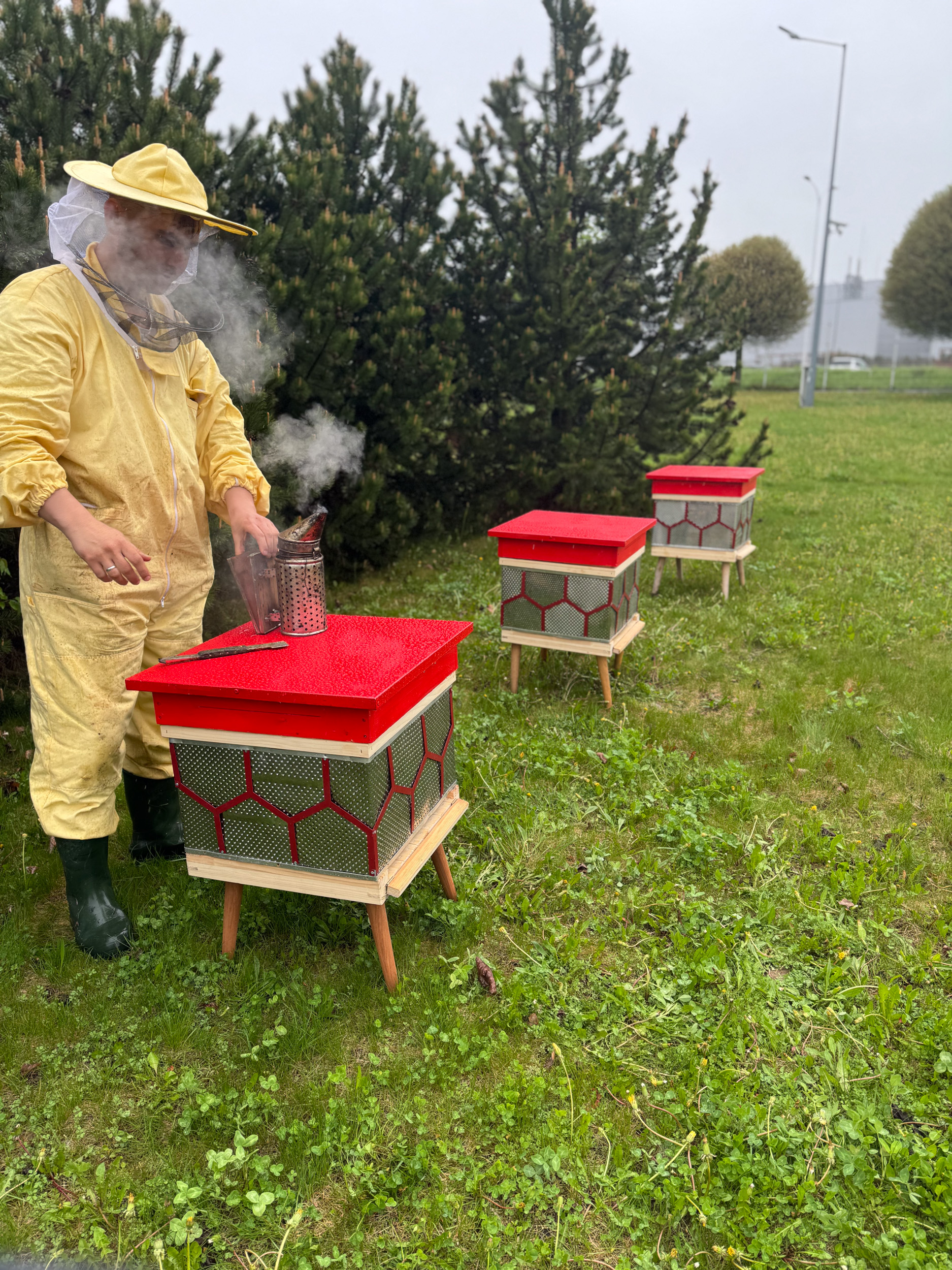
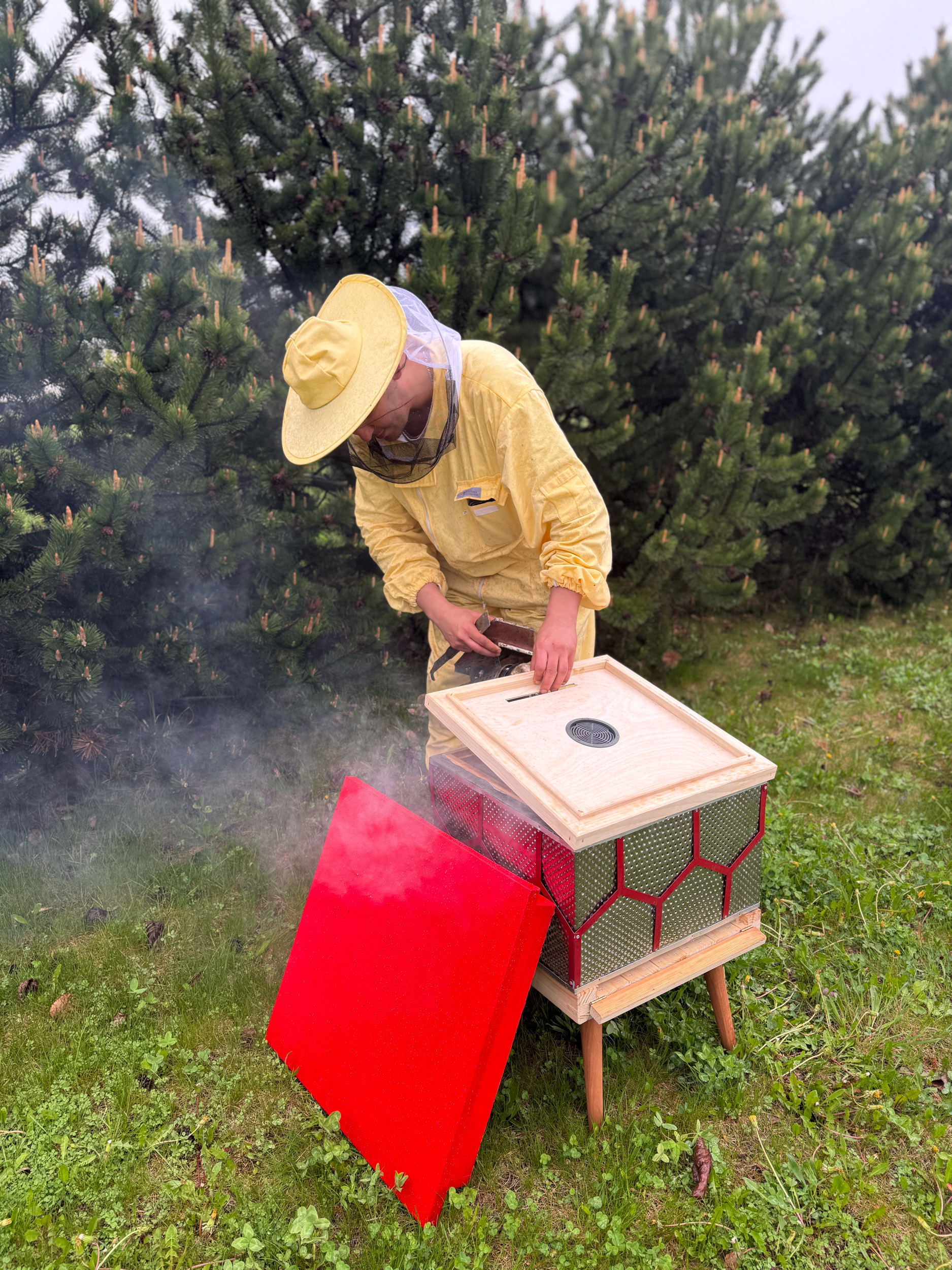
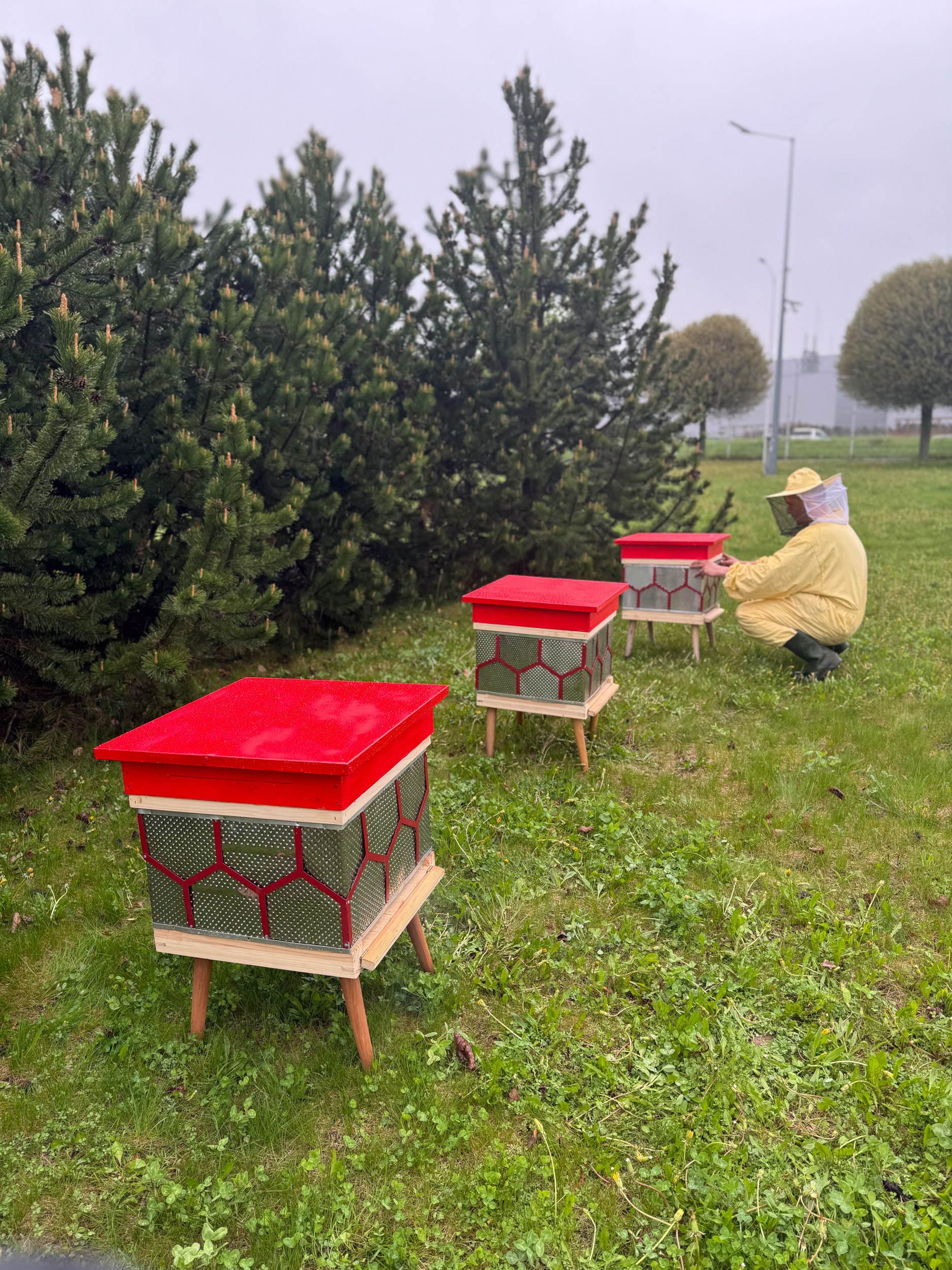
Postal bees live in hives established by Poczta Polska in collaboration with the Odzyskaj Środowisko Foundation. The recycled hives were designed by graphic designer and beekeeper Tomasz Waśkiewicz. The conceptual work on the project took over a year, but today the hives delight the eyes of everyone passing by. In the cityscape, the bee houses with their red roofs also attract attention thanks to their unique housings. They were constructed using drums from used washing machines, straightened and then cut into distinctive hexagons resembling honeycombs. Each hive houses between 40,000 and 90,000 bees of the exceptionally gentle Carniolan breed.
Why in the city?
According to experts, cities are a good choice for bees. Among the arguments supporting the well-being of these insects in an urban environment are greater plant biodiversity and higher air temperatures, but the most important argument remains the lack of chemical pesticides, which are now widely used in agricultural areas. Bees require nectar, pollen, and water to survive. The sources of pollen and nectar include trees and flowers found in parks and city squares, wastelands, meadows, balconies, and allotment gardens.
Without bees there would be no food
Bees pollinate approximately 70% of the world's food crops, making them essential to agriculture and horticulture, and therefore to global food security. Honeybees play an invaluable role in maintaining the health and balance of the entire natural environment.
Safe transport of bees with Poczta Polska
In April, Poczta Polska introduced a pioneering service in the Polish market – the safe transport of bees. This offer was created with the beekeeping community, which numbers nearly 100,000 people in Poland, in mind. The ability to safely ship live bees is provided through Pocztex.
The service was designed in collaboration with experts from the Polish Association of Bee Breeders – with attention to every detail. Special parcel marking and recommended packaging ensuring ventilation and access to water are just some of the standards implemented. All this to ensure optimal conditions for the insects.
With the bees' safety in mind, sorting office employees and couriers have undergone special training. Parcels are accepted Monday through Thursday to avoid the risk of being left in warehouses on weekends, and special areas for bee transport have been designated at postal forwarding and distribution centers.
More about bee transport: Safe bee transport with Poczta Polska
Contact for beekeepers
All those interested in the special service of Poczta Polska regarding the transport of bees are invited to visit the dedicated website: www.poczta-polska.pl/pszczoly .
A special email address has been launched for beekeepers using the services of Poczta Polska: pszczoly@poczta-polska.pl , where you can get support from sales representatives specializing in the service.