Postal heroes in the Warsaw Uprising
When their homeland called, they didn't hesitate for a moment. The dedication and sacrifice of pre-war postal workers and scouts effectively united the capital's residents during the Warsaw Uprising. Let us remember them when the sirens sound.
There is no state without efficient communication – this was the premise upon which the architects of Polish independence revived the state postal service in 1918. Since then, this institution has rebuilt communication between the growing fragments of the country, and postal workers have played a significant role in laying the foundations for the functioning of the Second Polish Republic.
Following the German invasion in September 1939, the Third Reich seized the assets of the Polish Post Office, establishing the German Post Office East (Deutsche Post Osten). Strict censorship was imposed. However, the continuity of the former Polish Post Office was maintained in exile, under the auspices of the Polish government-in-exile. In the occupied territories, pre-war postal workers engaged in clandestine activities, developing an underground communications network.
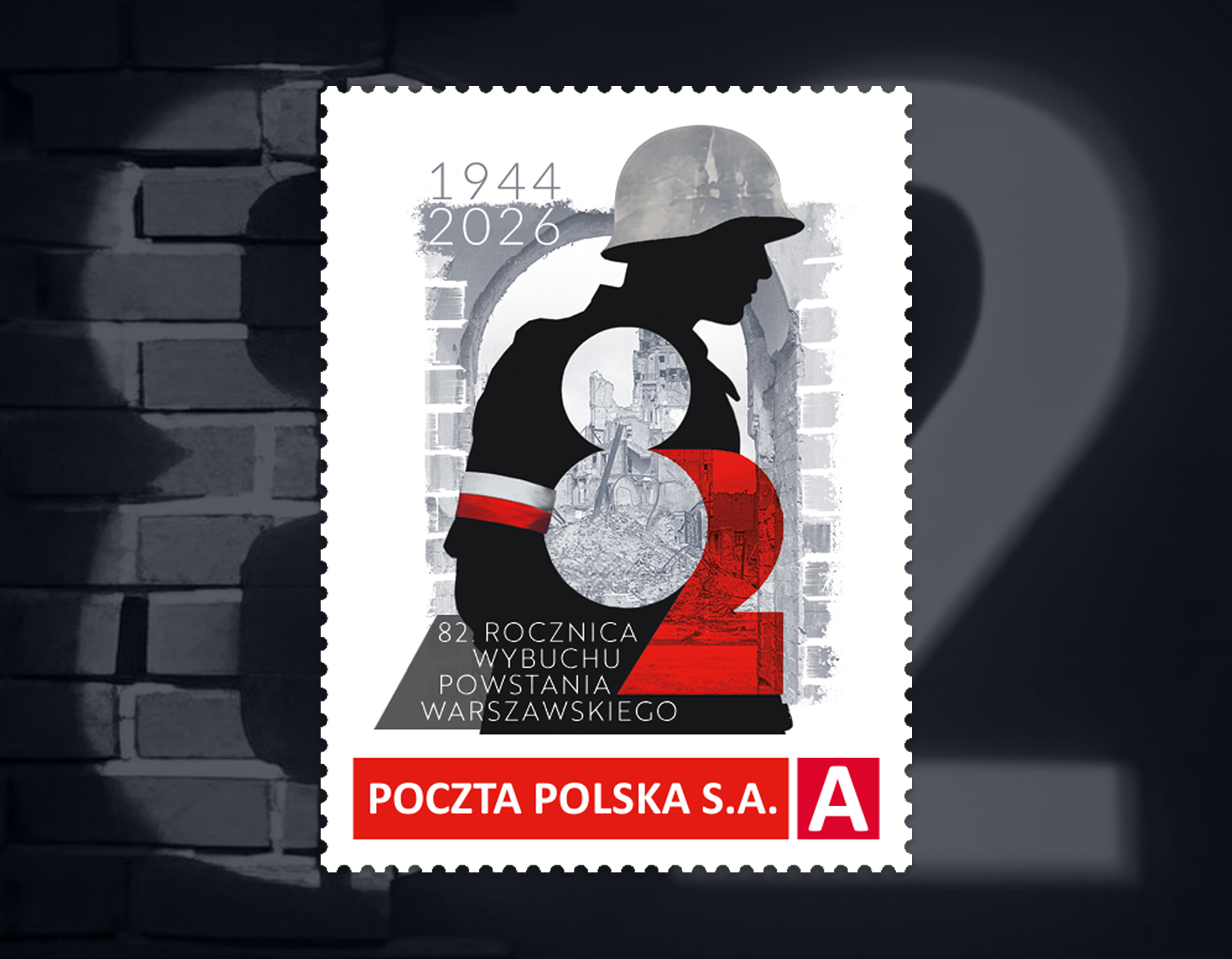
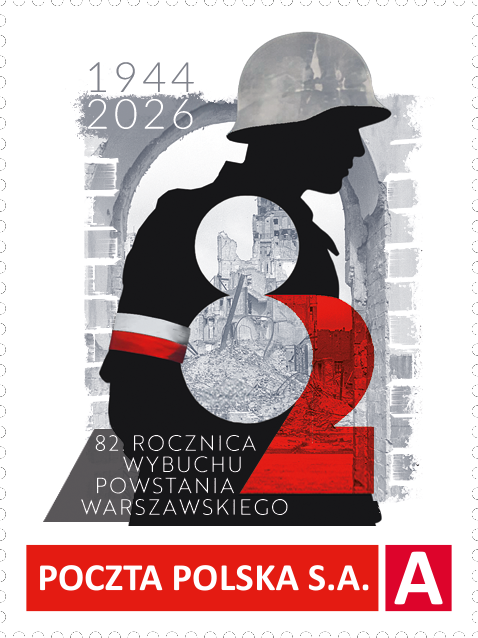
Postal workers were involved from the very beginning of the Uprising. Already on August 6th, the Scout Field Post Office was established, closely linked to the Home Army Field Post Office. The dedication of young people allowed for the re-establishment of communication between the capital's districts – civilians were also able to send messages. However, Warsaw residents had to be sparing with their words – the entire content of correspondence could initially not exceed 25 words. The "Zawiszacy," the youngest Scouts, made a significant contribution to maintaining communication in the capital.
The Home Army Field Post during the Uprising was commanded by a long-time postman and communications officer, Major Maksymilian Broszkiewicz, codename "Embicz." The Major survived the Uprising and died in Łódź at the advanced age of 85 in January 1971. The main office of the Uprising Post was located at 28 Świętokrzyska Street. Seven other post offices were also established: on Szpitalna Street, Wilcza Street, Napoleon Square (today's Warsaw Uprising Square), Złota Street, Okólnik Street, Czerniakowska Street, and Tyniecka Street. The Scout Field Post was incorporated into the Home Army Field Post at the end of August.
Some of the pre-war postal workers fought with weapons in hand and died in the Uprising. Postal workers were stationed in the "Zaremba" and "Bałtyk" battalions, and the "Chrobry II," "Kryska," and "Konrad" groups, among others. Some were taken prisoner after the Uprising's fall. Some, like postman Bronisław Piotrowski and telephone operator Jadwiga Poboży, died as soldiers.
No data has survived that would allow us to determine with certainty how many insurgent letters were carried by Scouts and Postmen, but it is estimated that it was around 6,000 letters per day, or approximately 200,000 during the entire Uprising. After its fall, many Postmen and Scouts were taken prisoner by the Germans. Some of those who survived began working to rebuild communications and postal services in war-ravaged Poland.
The article was prepared using materials from the Archives of Poczta Polska SA.